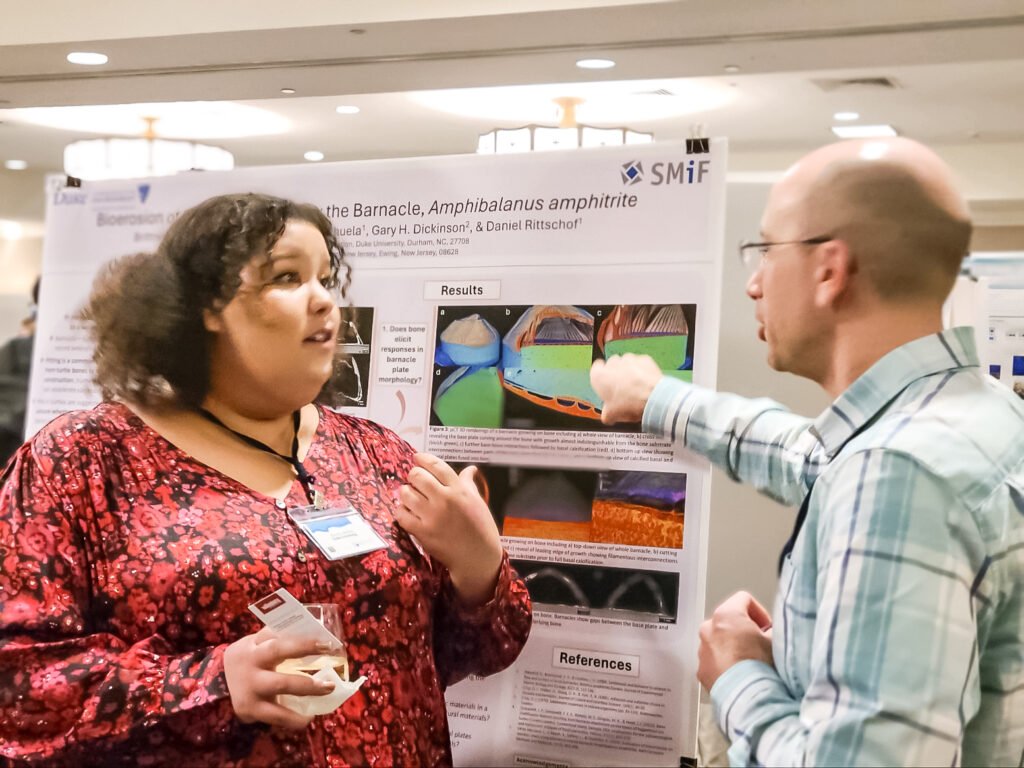
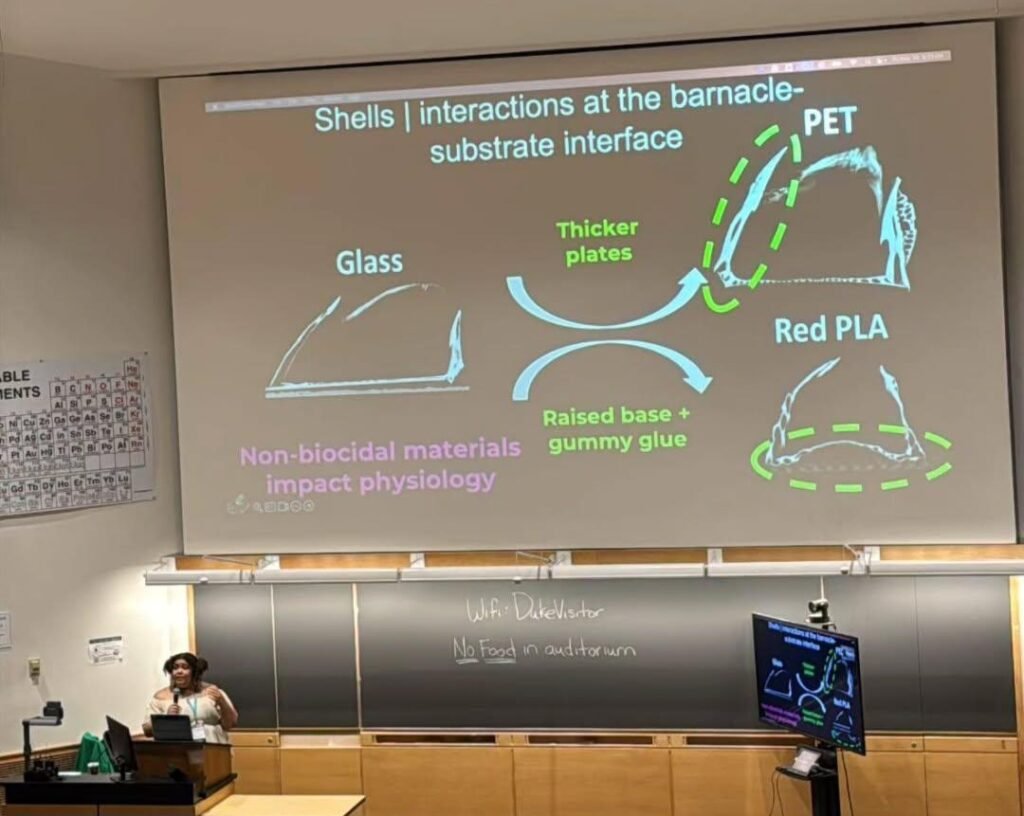
Every story begins with curiosity. These are the tools I use to observe, understand, and predict the hidden stories written where life meets matter
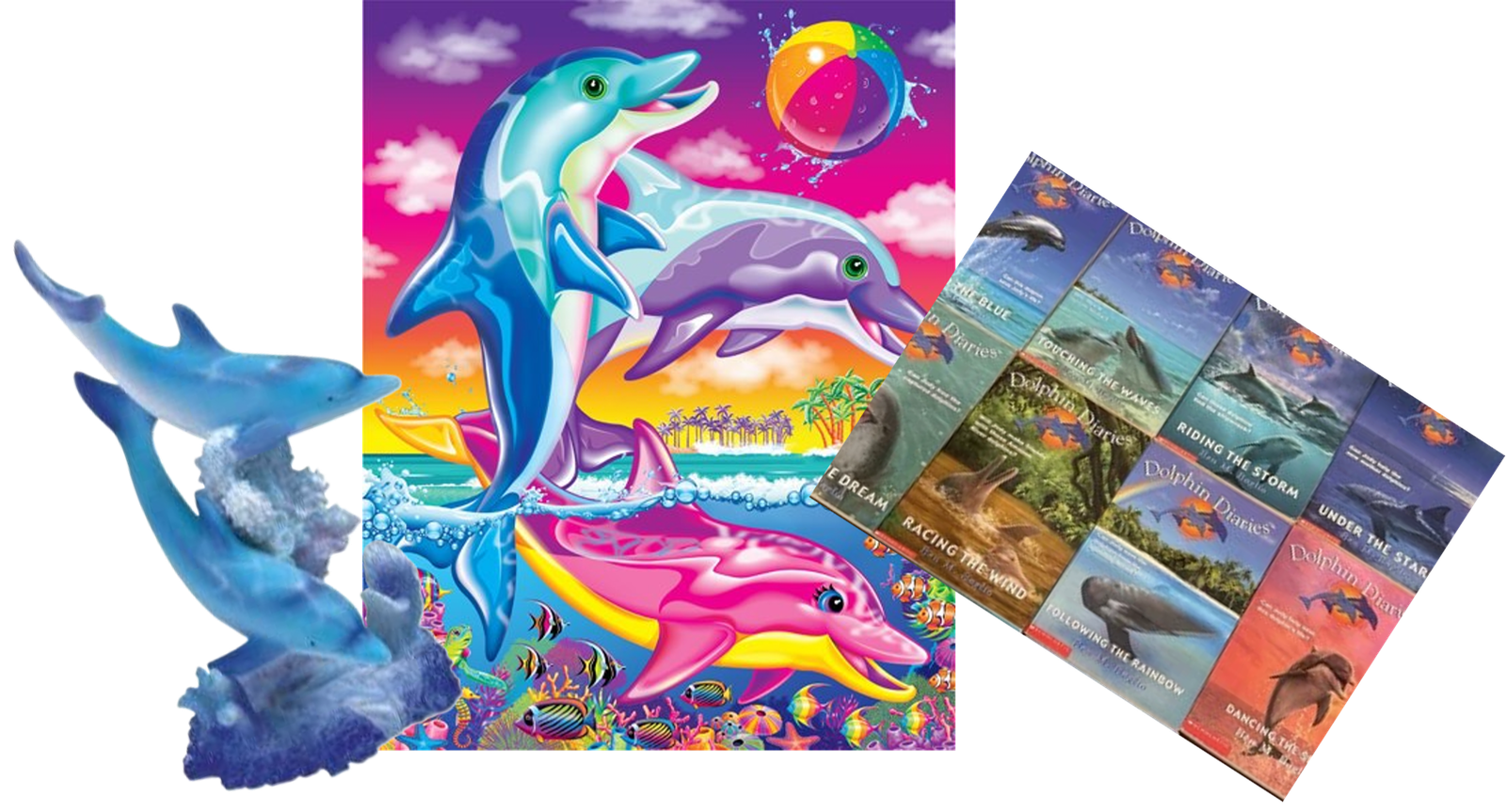
Wonder Through Art | Where Curiosity First Took Shape
When I was young, my mom filled my world with colorful glimpses of the ocean—Lisa Frank notebooks, shimmering dolphin figurines, and vibrant artwork that imagined marine life as something almost mythical. Long before I understood ecology, I learned that beauty could inspire wonder, and that wonder would become the first compass pointing me toward the sea.
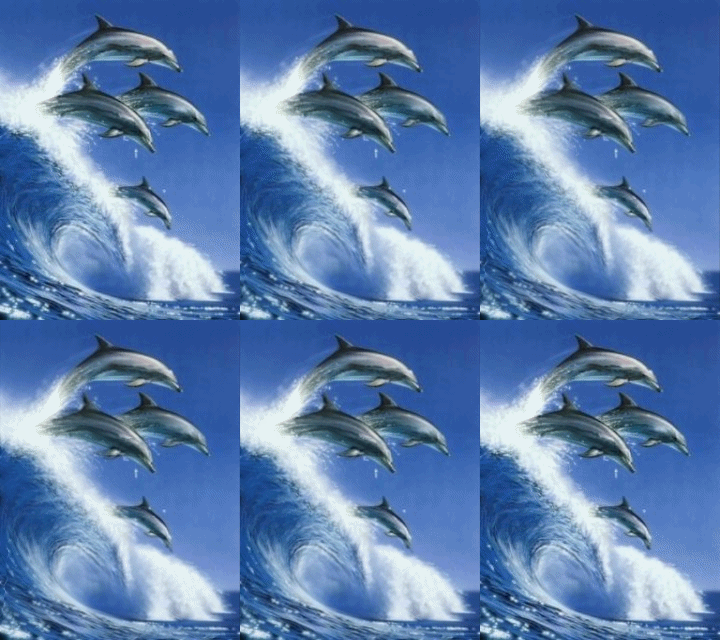
Growing Up Alongside the Internet | Discovering Digital Creativity
As the internet blossomed, so did new ways of imagining the natural world. Glittering dolphin graphics, animated artwork, and early online communities transformed my fascination into creative expression, revealing that art and technology could shape not only how we see nature, but how we share it with others.
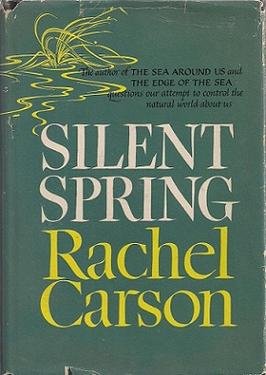
The Ocean Is Vulnerable | Learning From Rachel Carson
My dad, who was a licensed entomologist and licensed in pesticide research in California at the time, introduced me to the work of Rachel Carson and encouraged me to think critically about how human actions shape our environment. Reading Silent Spring revealed that the greatest environmental changes are often invisible until decades later, teaching me that protecting ecosystems begins with asking difficult questions before the damage is irreversible.
Following The Questions | University Of California, Merced
I began college studying cell and molecular biology, convinced that science alone would lead me where I belonged. Yet I found myself returning to ponds, vernal pools, and quiet shorelines, realizing that the questions occupying my mind were always larger than the microscope—they belonged to the living systems beyond the laboratory.
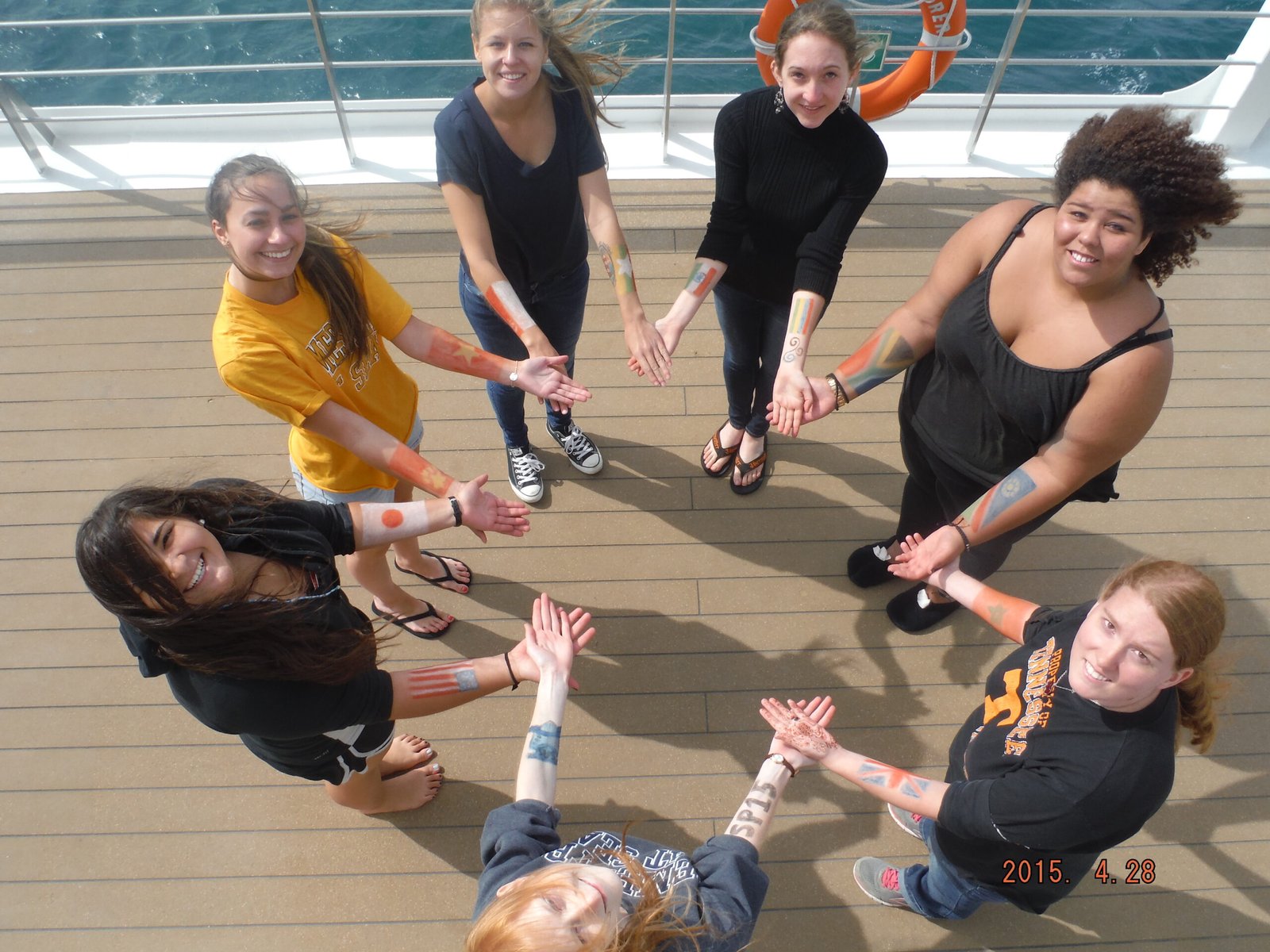
The World Through The Ocean | Semester At Sea
Living aboard a ship and traveling across continents revealed that the ocean is more than an ecosystem. It is culture, livelihood, history, and home. Watching communities depend on the sea each day transformed my understanding of marine science from the study of organisms to the study of relationships between people, places, and water.
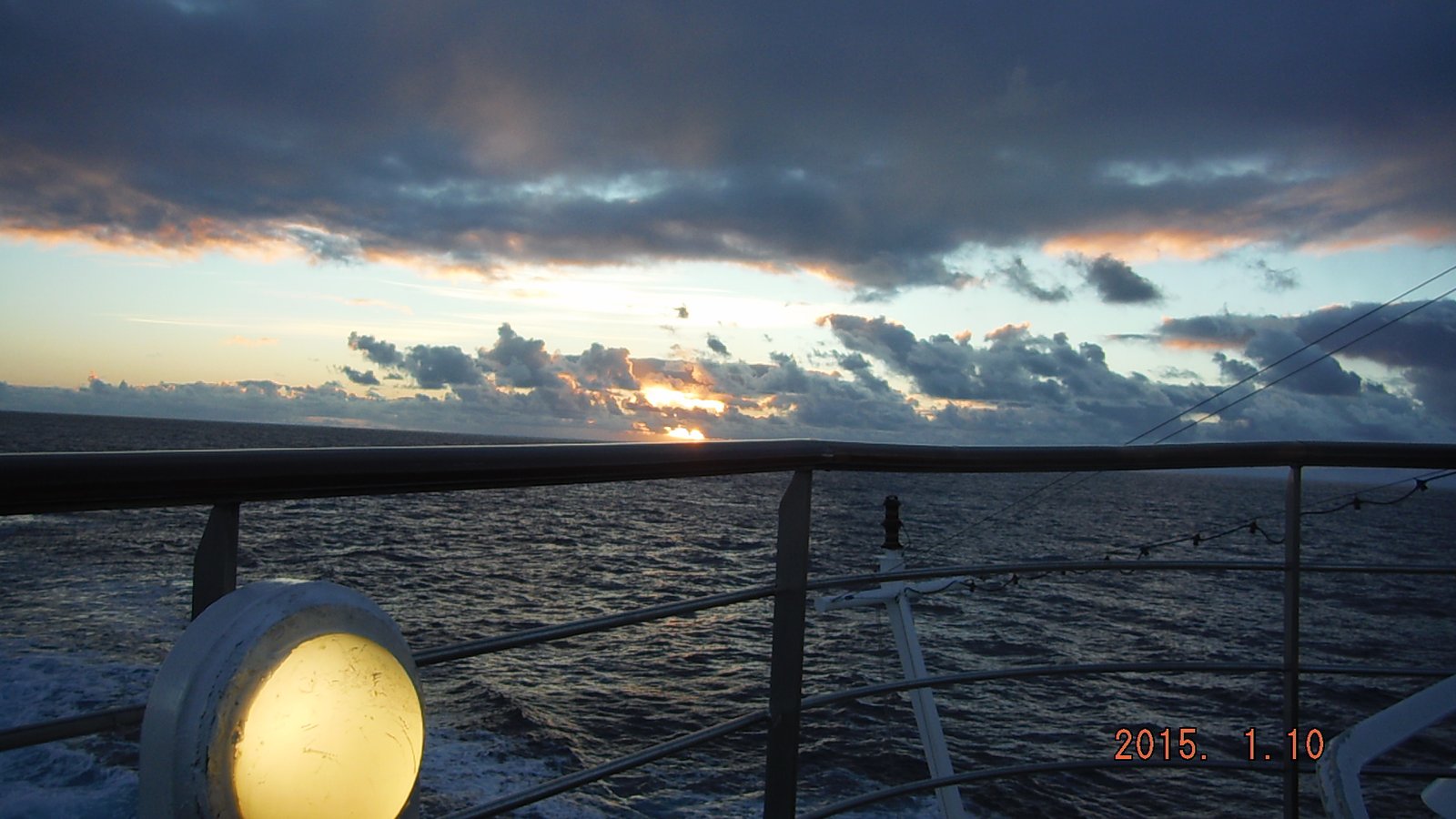
Nothing Stays Where It Belongs | Pollution Without Borders
Even aboard our own ship, I watched small pieces of everyday life drift unnoticed into the open ocean. Napkins carried by the wind, fragments of trash disappearing into the wake... It was a quiet realization that human influences rarely remain where they begin, and that every new material entering the ocean becomes part of an ecological story we are only beginning to understand.
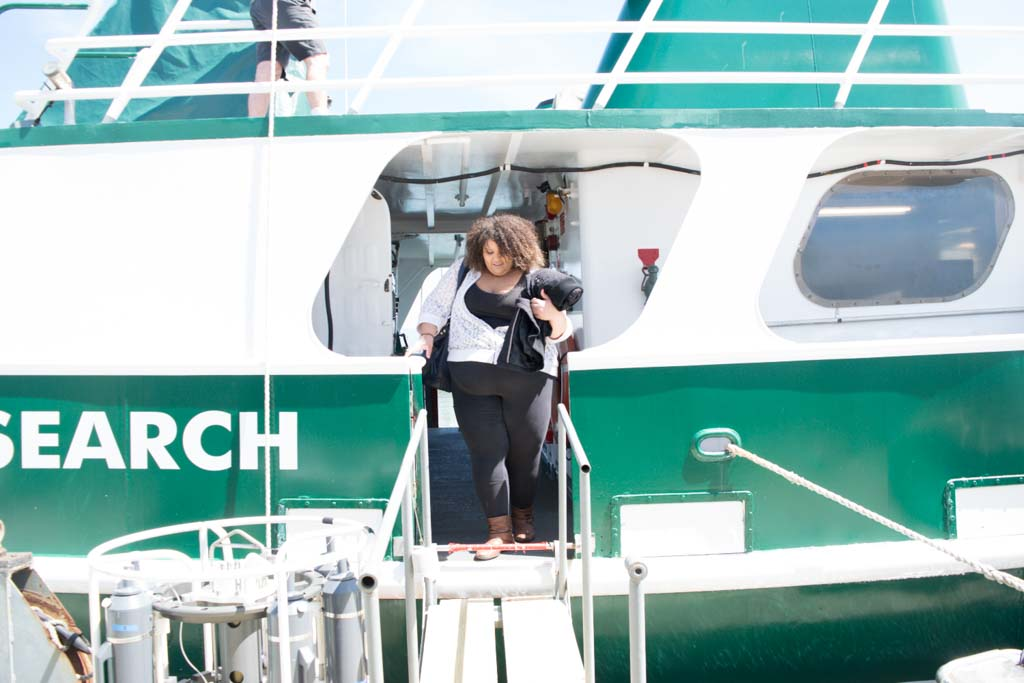
Choosing The Coast | Humboldt State University
Leaving one university for another was more than a transfer; it was a commitment to follow the questions that refused to leave me. Surrounded by rocky shores, research vessels, and tidal ecosystems, I finally found a place where curiosity could grow alongside discovery.
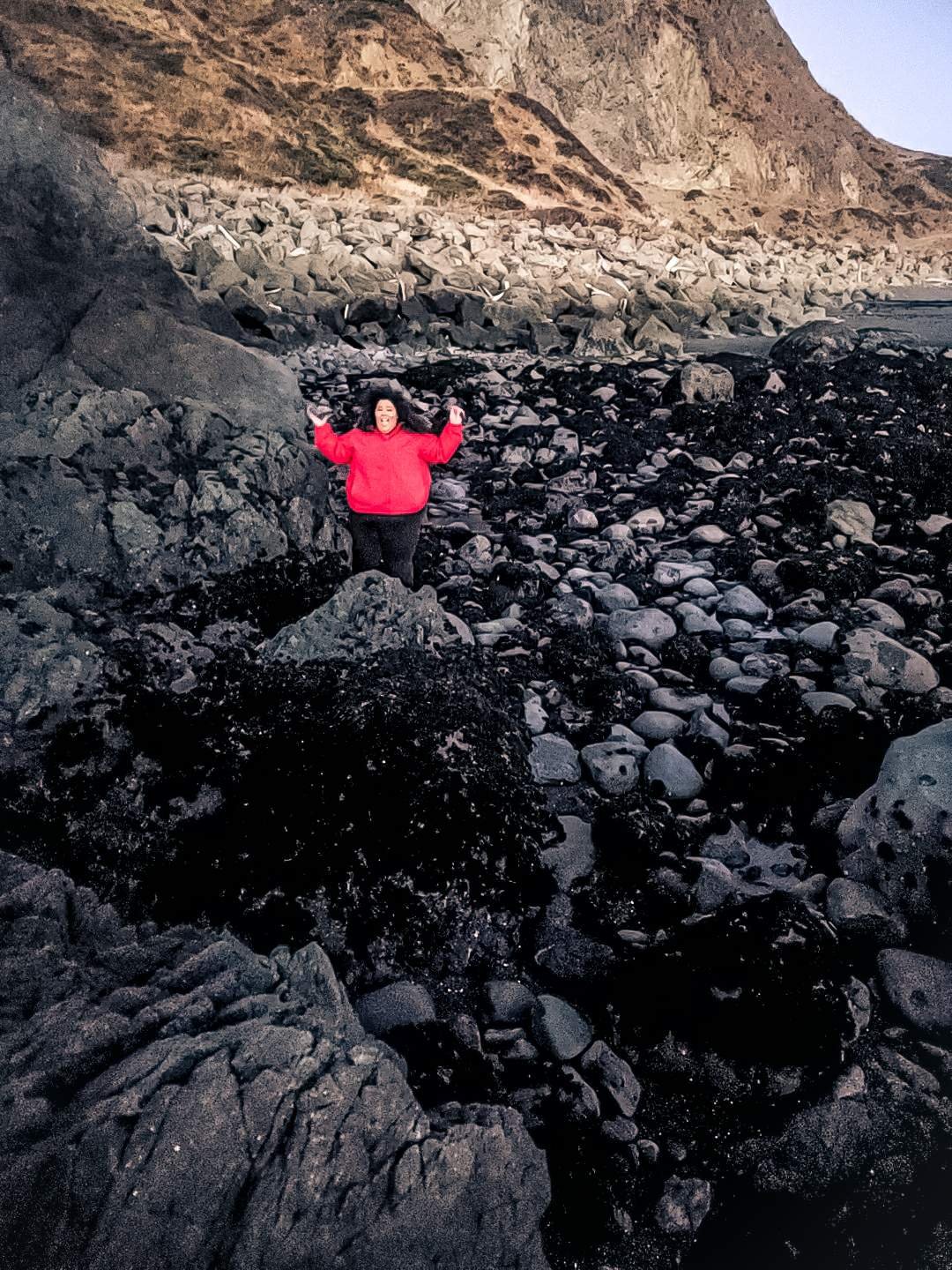
Finding My Research Home | Biofouling And Indicator Species
Research on bryozoans, urchins, algae, kelp, and marine chemistry revealed that some of the smallest and most overlooked organisms can tell the biggest environmental stories. I became fascinated by the idea that living communities quietly archive the history of human influence, if only we know how to read them.
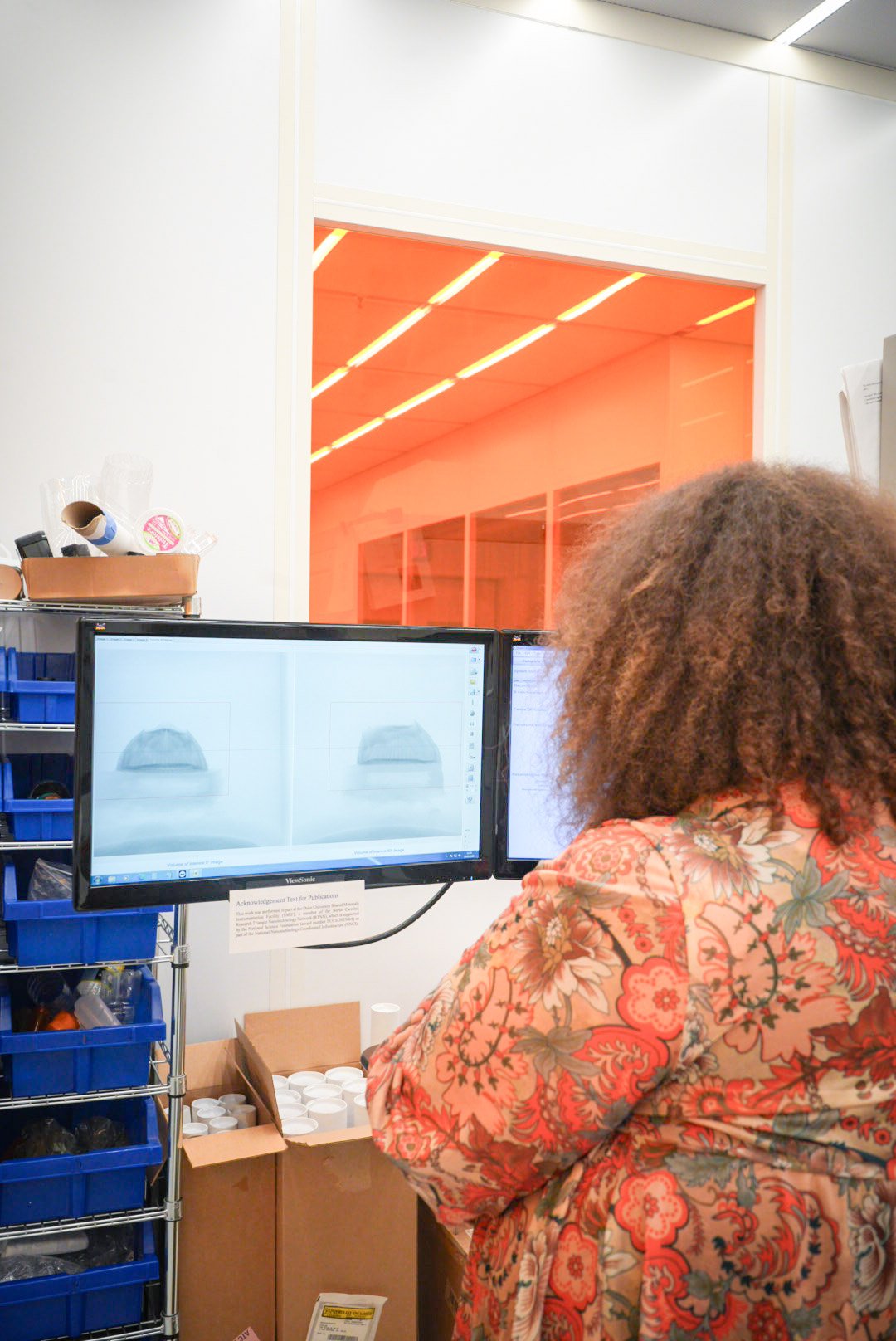
Asking Harder Questions | Duke University
At Duke University, I continue investigating how marine organisms reveal hidden stories about environmental change while exploring new ways to unite science, art, and communication. The questions have evolved, but they still begin in the same place, with wonder.
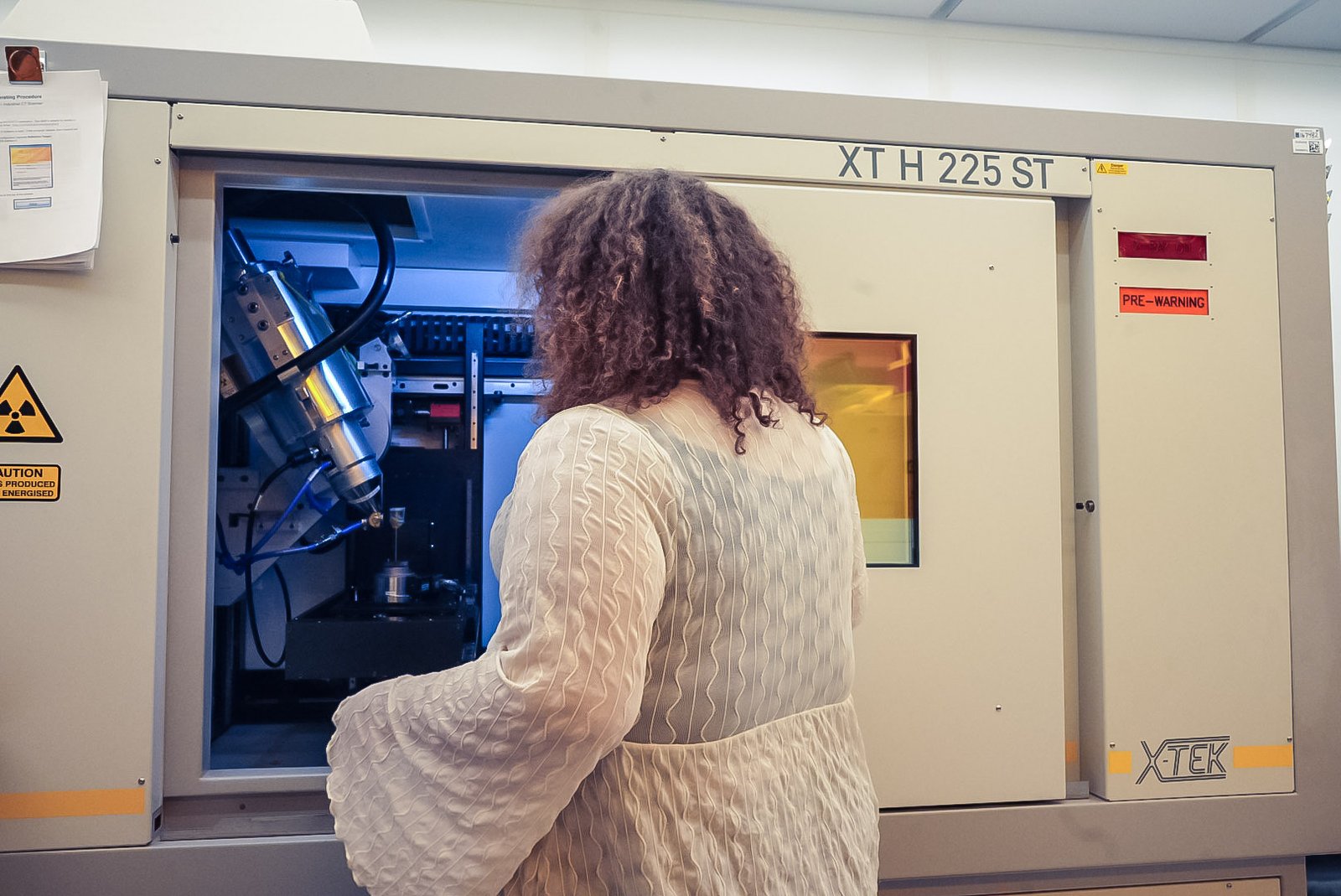
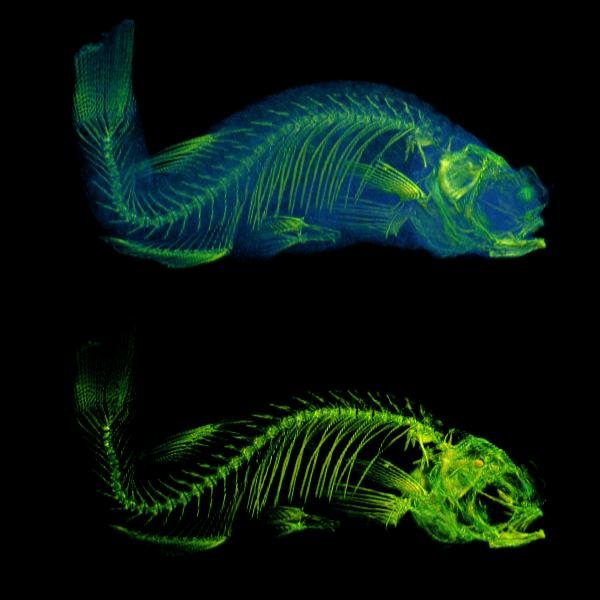
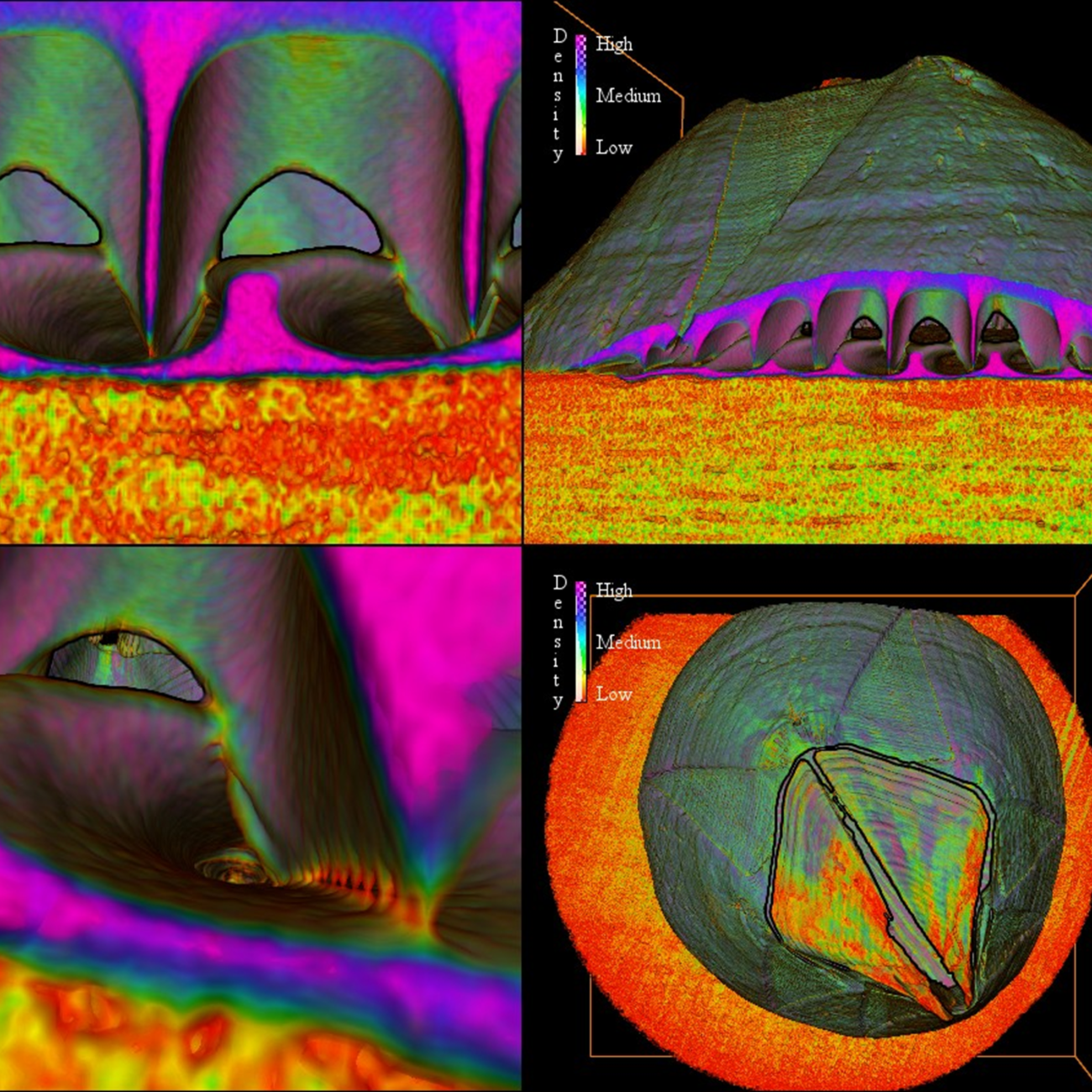
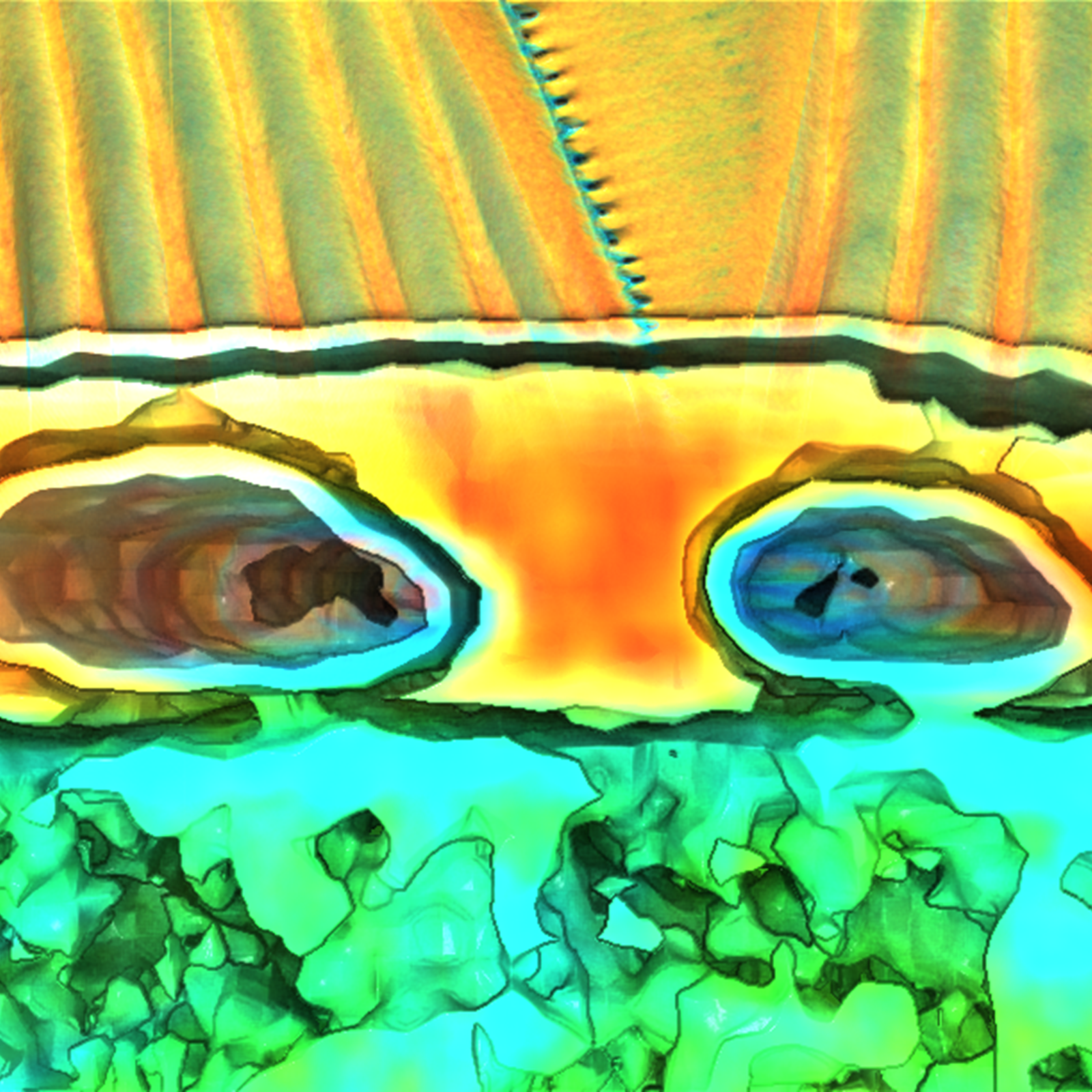
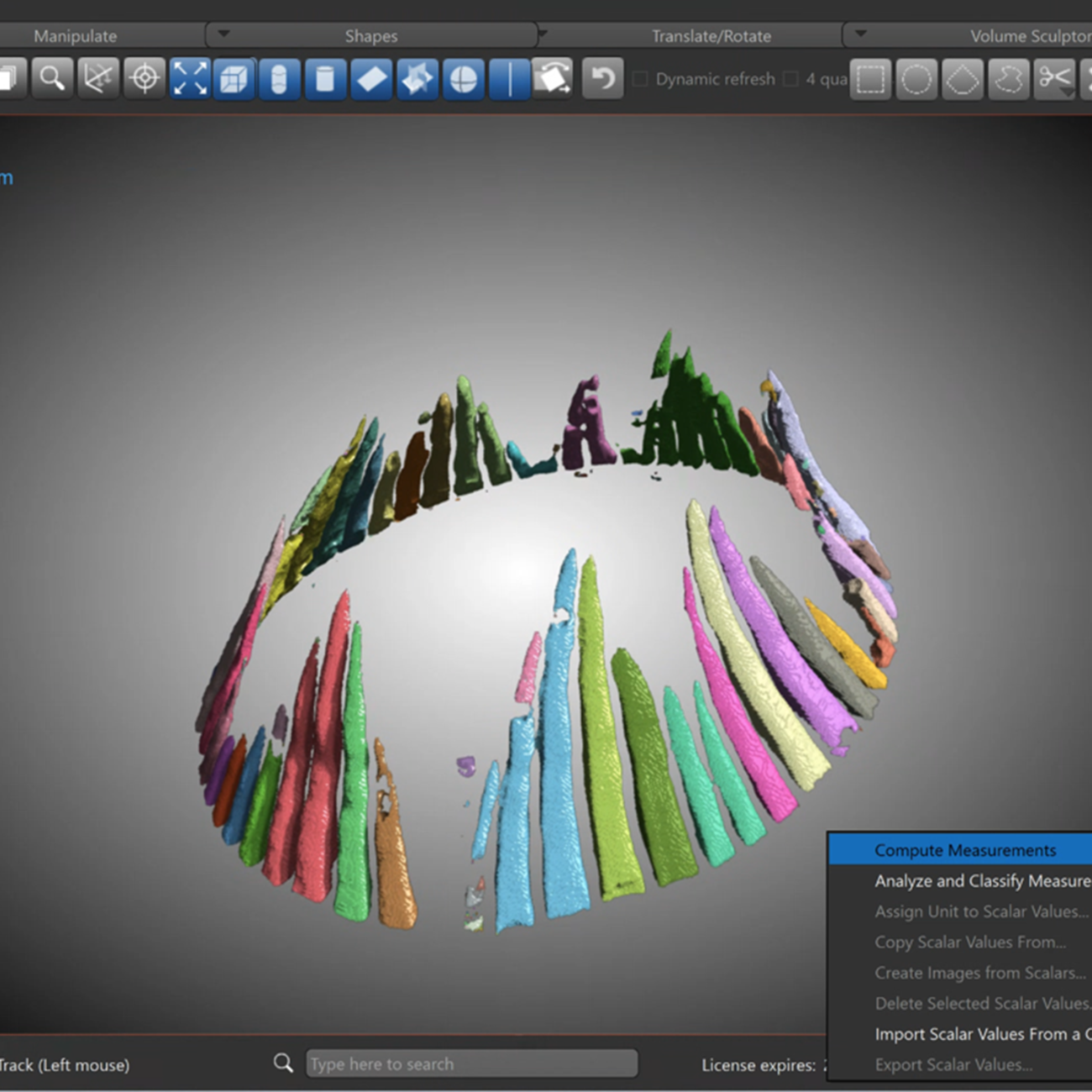
CT Scans at SMIF
Microcomputed tomography is my most favorite technique used!
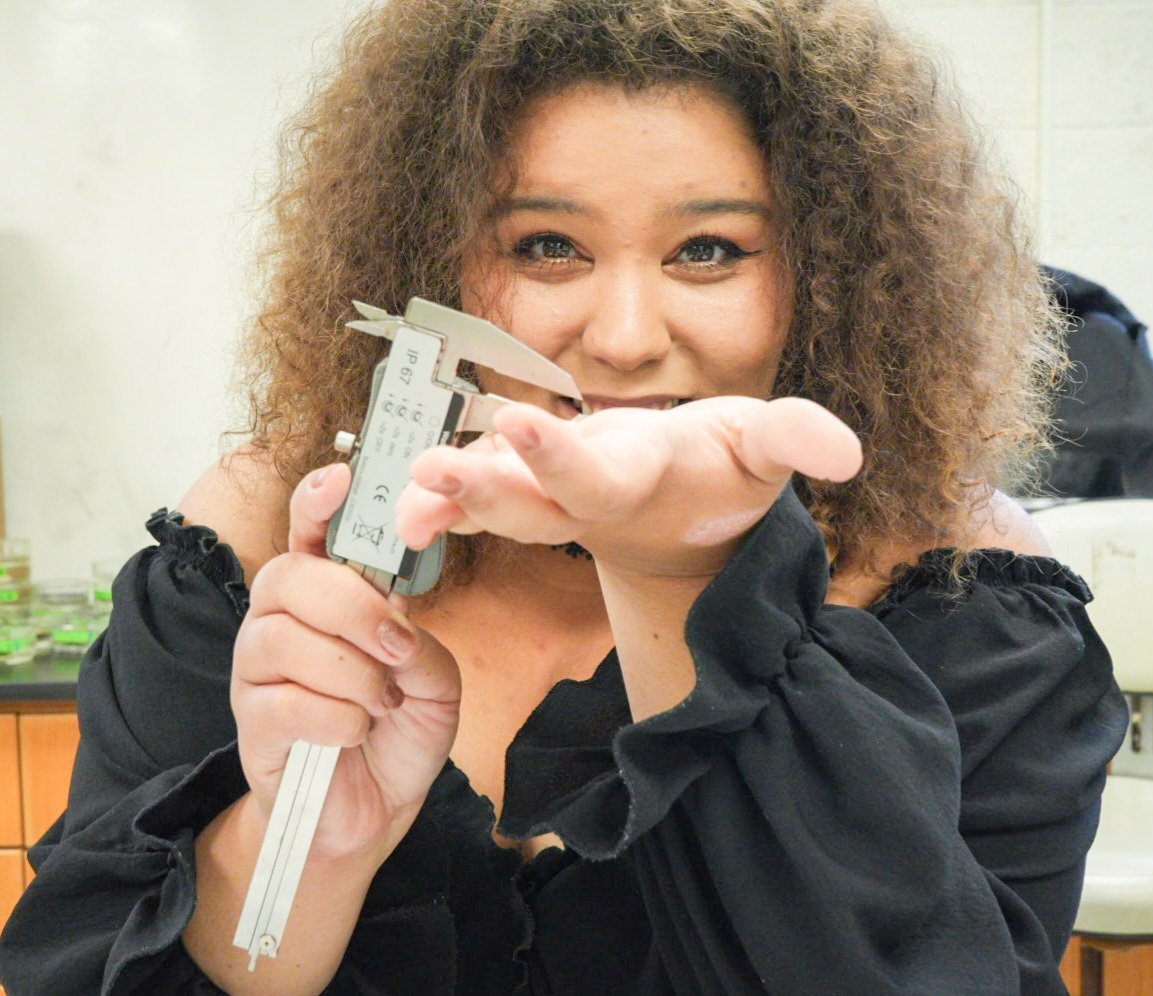
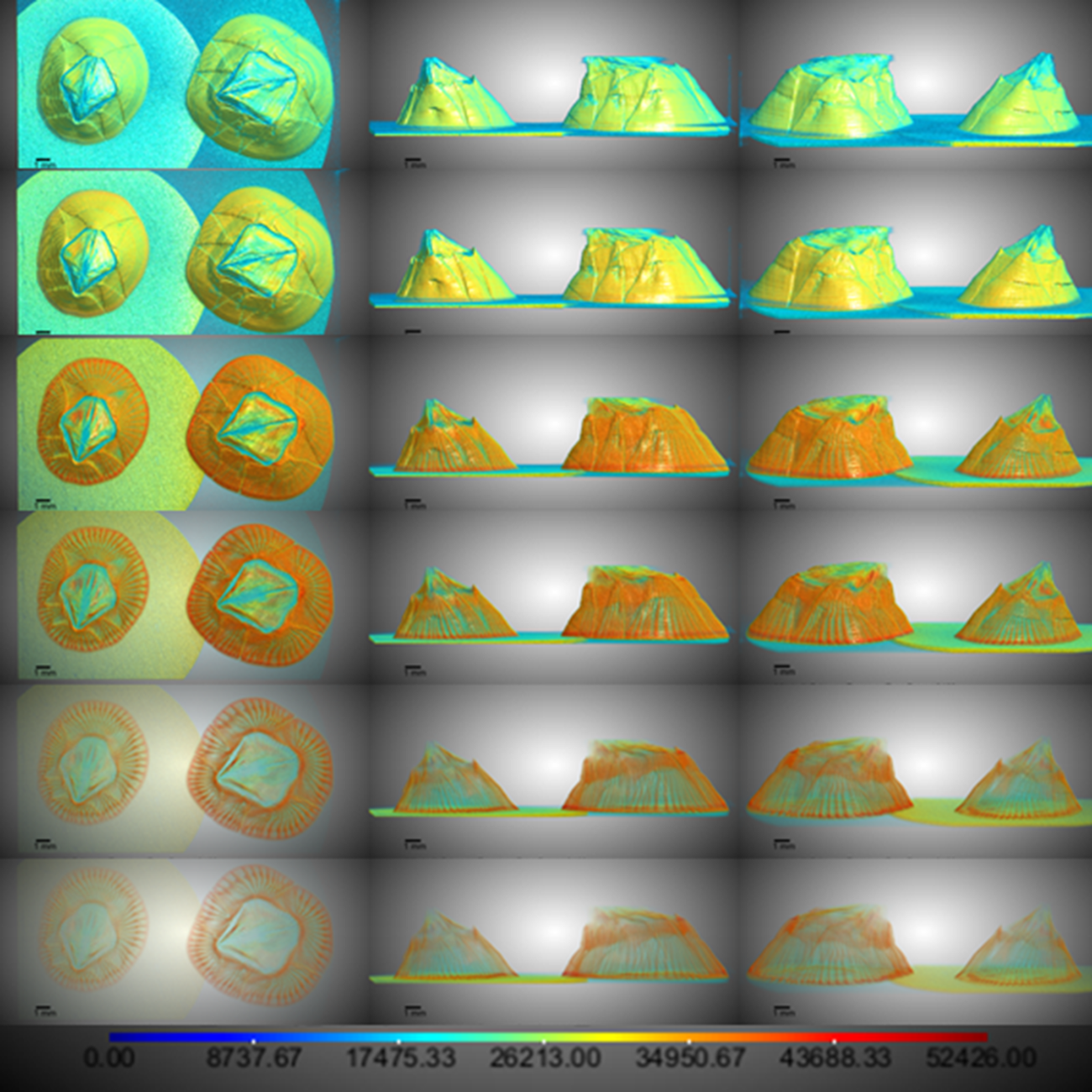
Barnacle Morphometrics
We measure barnacle growth over time to understand impacts of novel materials
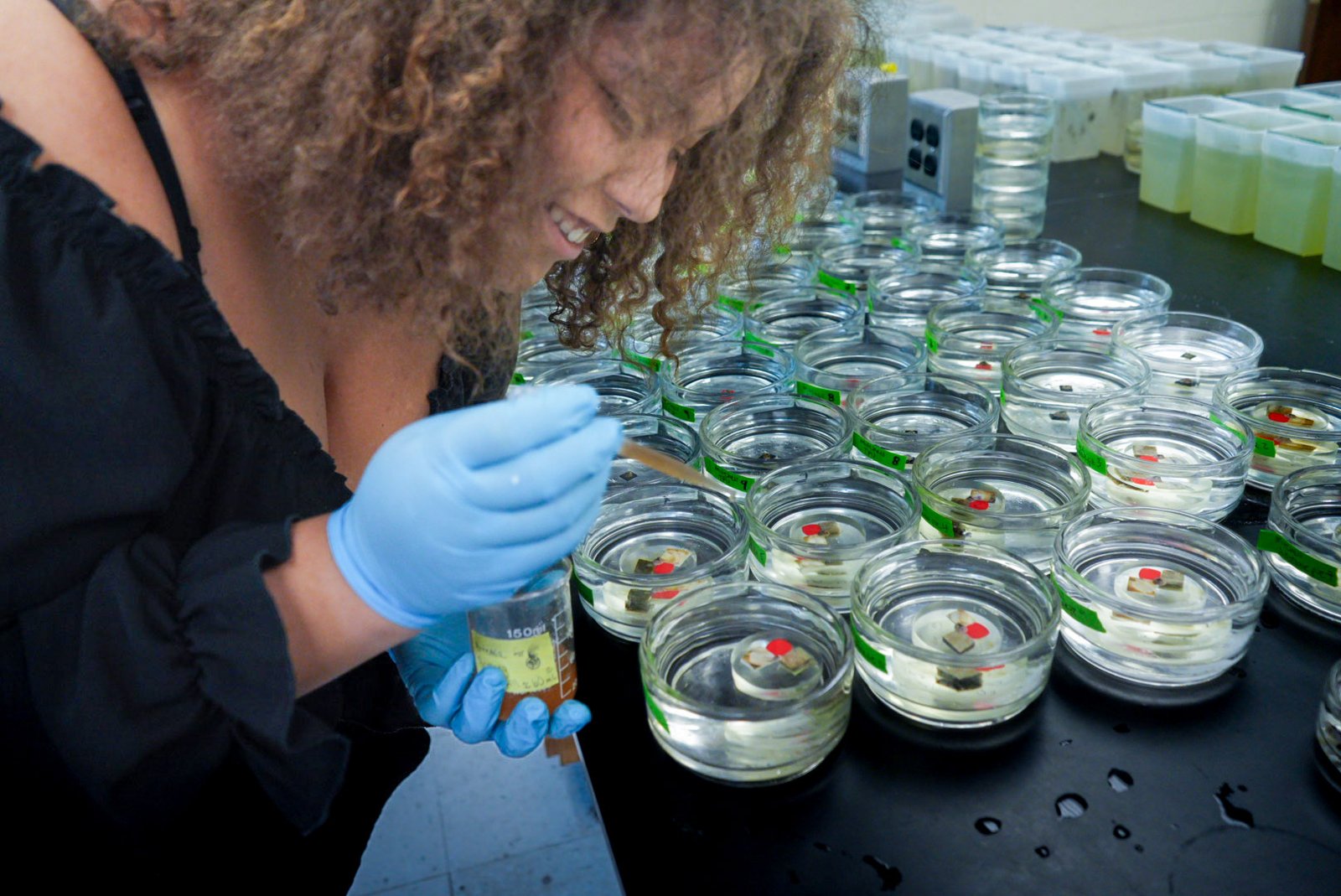
Barnacle Husbandry
Keeping barnacles happy and well fed ♡
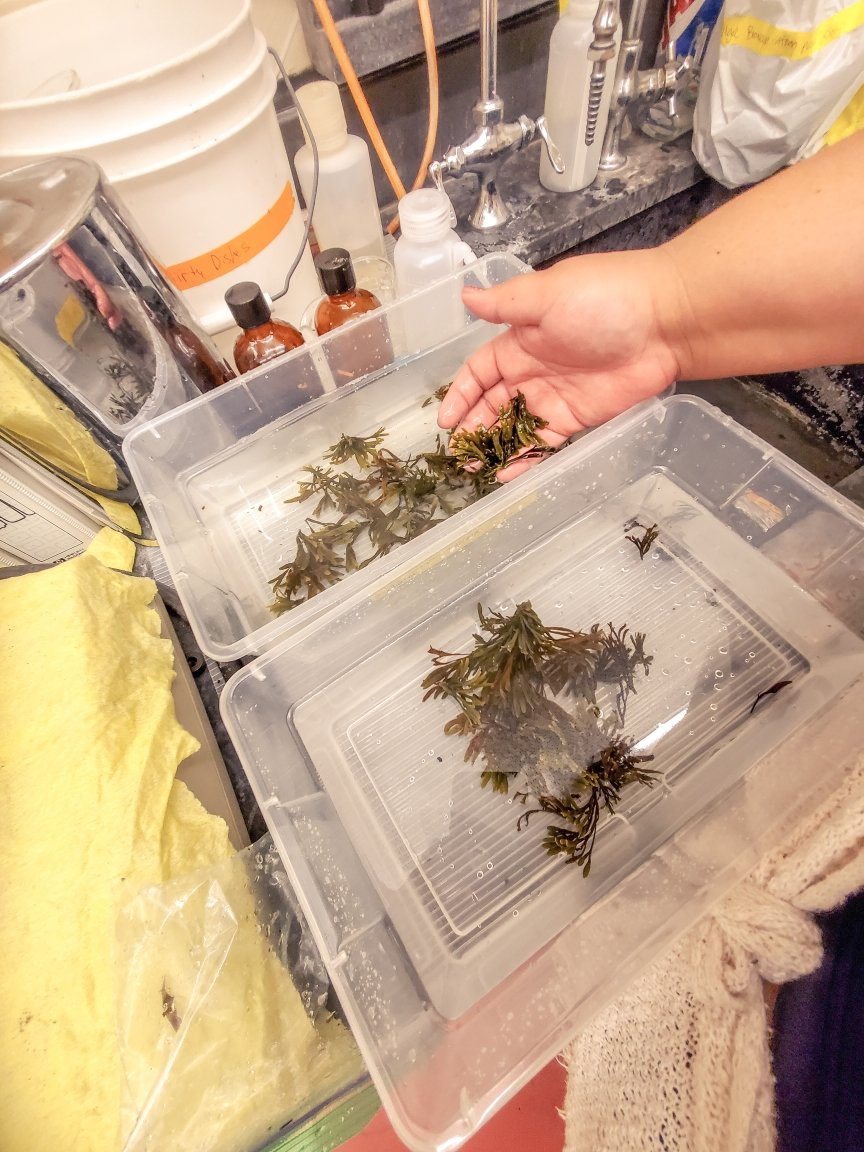
Algae Sample Preparation
Preparing macroalgae for metal analysis
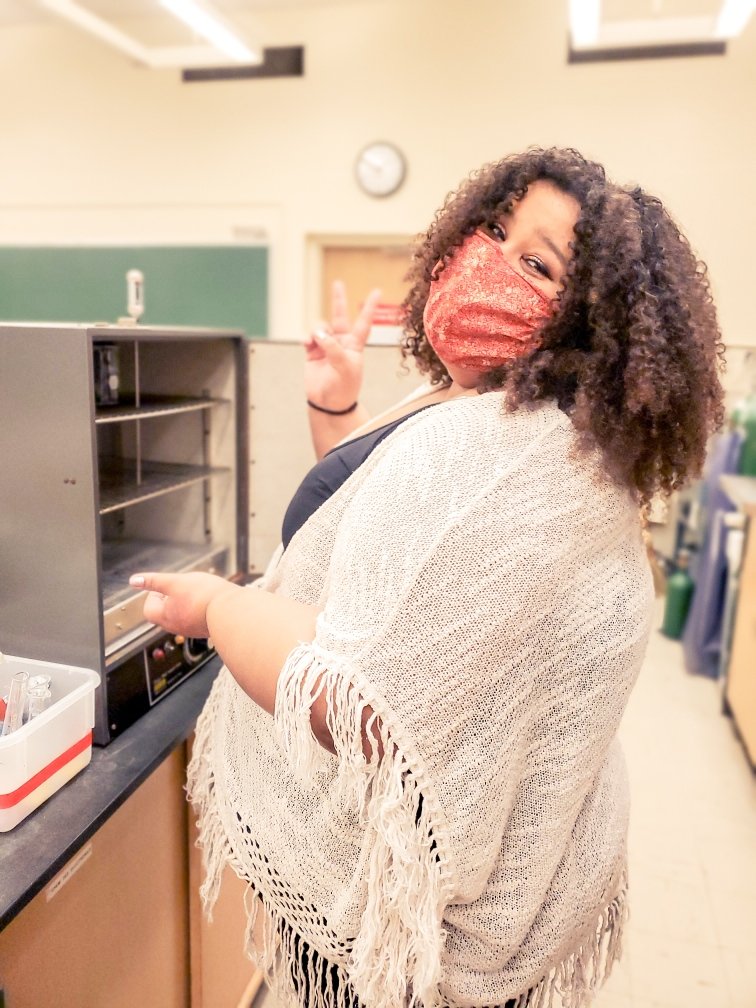
Dry Ashing Algal Samples
Using the muffle furnace to help digest algal organic matter for metal analysis
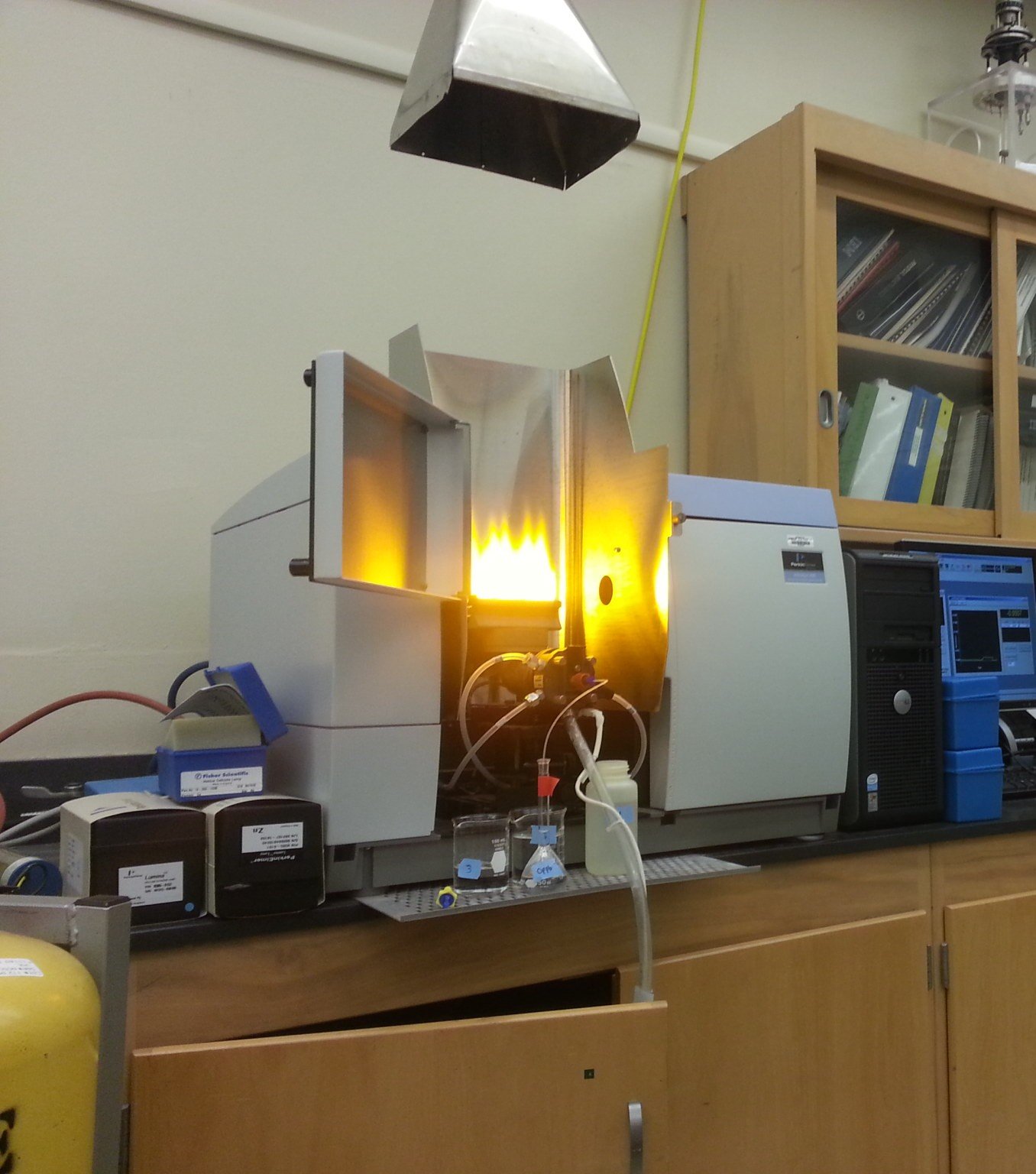
FAAS
Aspirating samples for metal analysis using Flame Atomic Absorption Spectroscopy (FAAS)
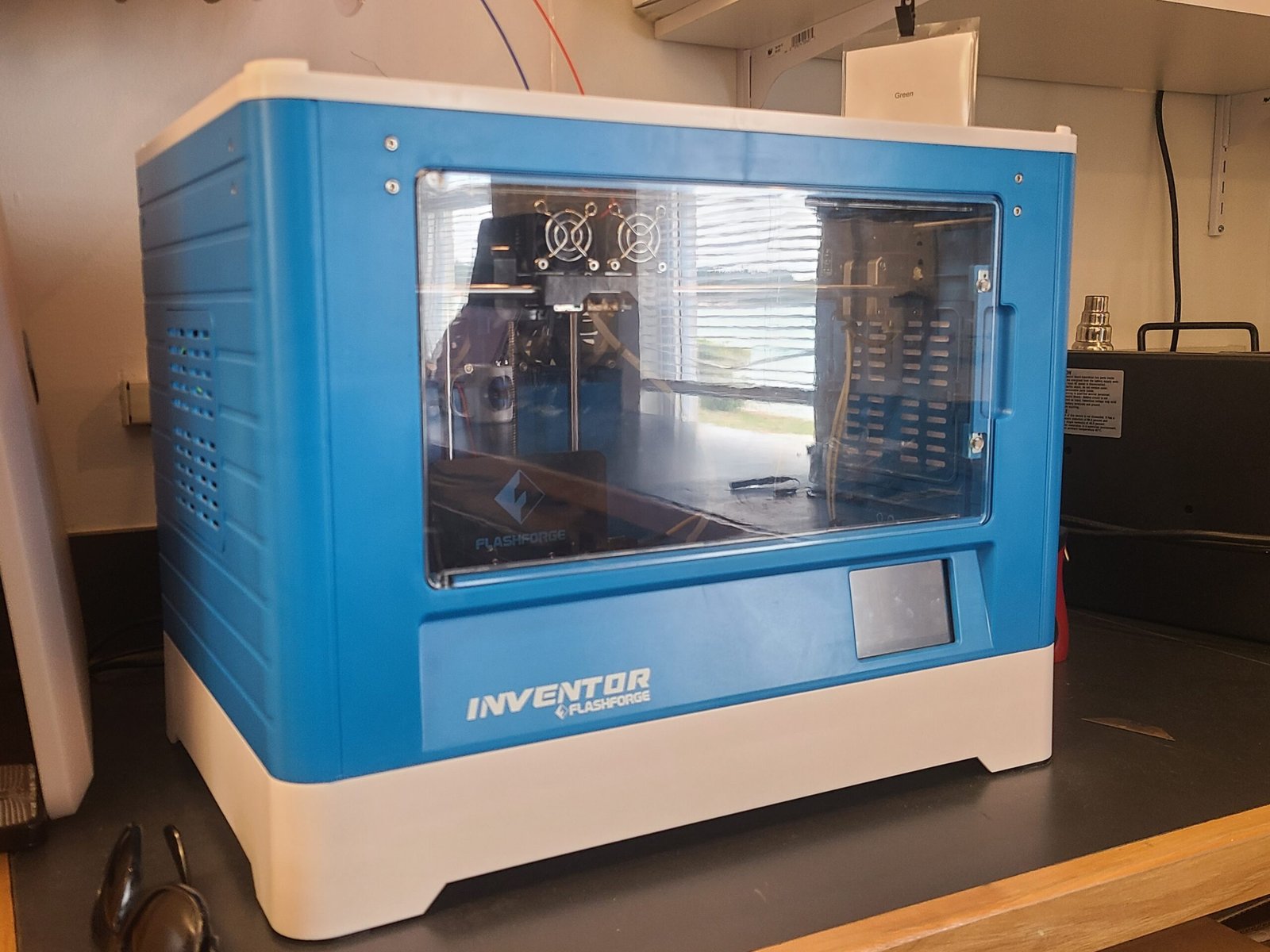
3D Printing
We 3D-print polymers to better understand how emerging materials interact with organisms